A bizarre case of mistaken identity that landed a then-homeless man in jail and later caused him to be confined in Hawaiʻi State Hospital for more than two years will cost the state $200,000 under a proposed legal settlement.
The lawsuit filed on behalf of Joshua Spriestersbach, 54, alleges he told his lawyers with the state Office of the Public Defender time and again he was not the man named in the warrant that prompted his arrest on May 11, 2017 — to no avail.
He was not released from the state hospital until Jan. 17, 2020 after medical staff at the hospital finally confirmed he was Spriestersbach, not a convicted felon named Thomas R. Castleberry as authorities had believed.
His ordeal triggered both federal and state lawsuits, and the case filed against the public defender’s office in Honolulu Circuit Court in 2024 alleges the office provided incompetent counsel and is liable for “legal malpractice.”
The lawsuit alleges “none of Joshua’s public defenders took any action to investigate or address the fact that he was misidentified and held because of another person’s violation, though Joshua repeatedly informed them of this.”
The state Attorney General’s Office is now asking lawmakers to earmark $200,000 to settle the case, a request that needs approval by the Legislature.
That money is part of a global settlement of Spriestersbach’s claims against the public defender, the city and other defendants in the separate federal court action, but it is unclear what damages the city may have to pay.
Ian Scheuring, deputy communications director for Honolulu Mayor Rick Blangiardi, and lawyers Jerold Matayoshi and Lex Smith all declined comment on the case. Matayoshi and Smith are representing city officials in the federal lawsuit filed over the Spriestersbach case.
How The Mess Began
The lawsuit filed in state court claims Spriestersbach first became incorrectly associated with Castleberry in Honolulu police records starting in about 2010.
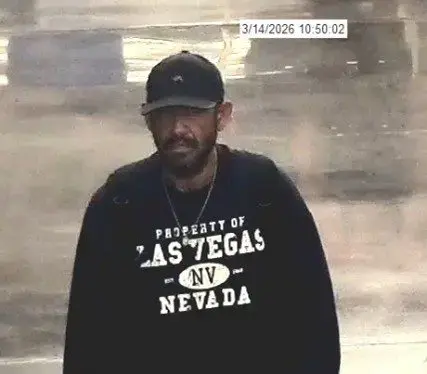
Spriestersbach had used the family name of Castleberry starting in about 2009, calling himself Wolfgang or William Castleberry, according to court records, but he never claimed to be Thomas R. Castleberry. Both men were born in 1971, but the two did not look alike and Castleberry had multiple tattoos while Spriestersbach had none.
Castleberry had a long criminal history in Georgia, Missouri and Iowa, and pleaded guilty to drug and other offenses in Honolulu in 2007. He failed on probation, and a warrant was issued for his arrest in mid-2009, but Castleberry apparently left the state that year before that warrant was served.
Spriestersbach, meanwhile, had been treated for mental illness while living on the mainland, and arrived in Hawaiʻi in 2003 or 2004. While Castleberry was being arrested and held in Honolulu on drug and other charges in 2006, Spriestersbach was in treatment at a mental health facility on the Big Island.
The lawsuit filed on Spriestersbach’s behalf explained that “the only ‘crimes’ that Joshua has ever been charged or convicted of were crimes of poverty, such as trespass or sitting or lying on public sidewalks because he was houseless.”
Spriestersbach was homeless in Honolulu in 2017 and waiting for food at Safe Haven in Chinatown when he was arrested by police based on the warrant for Castleberry. He had no identification, according to the lawsuit, but told police he was Joshua Spriestersbach and not Castleberry.
Police did not compare Spriestersbach’s fingerprints to Castleberry’s, and corrections officials also failed to correctly identify Spriestersbach during the following four months he spent at the Oʻahu Community Correctional Center.
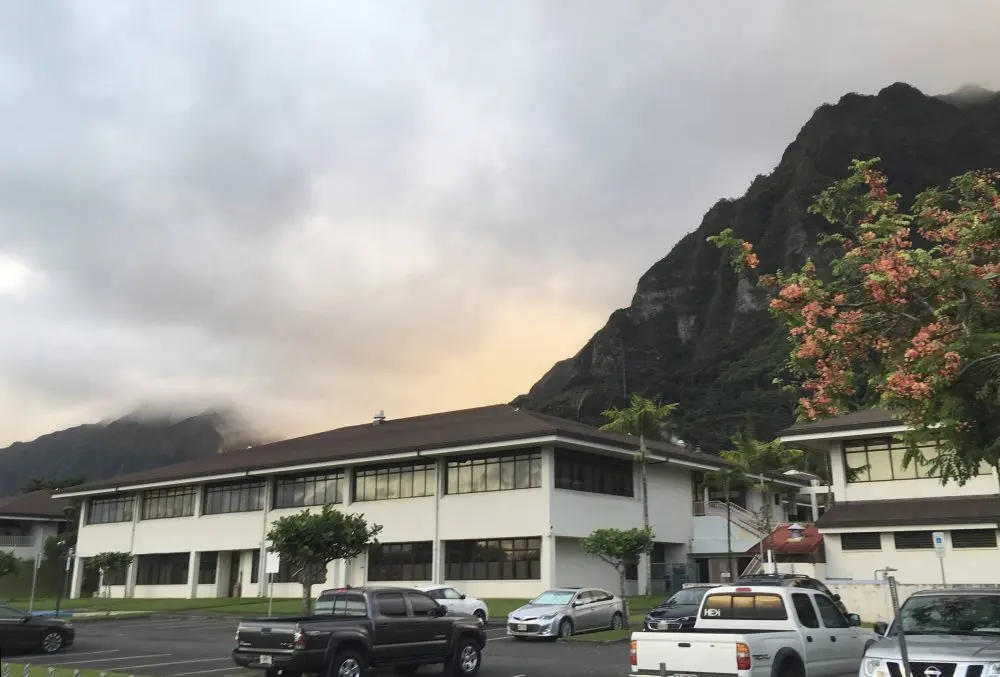
According to a statement from the attorney general, experts concluded Spriestersbach was suffering from schizophrenia, and he was sent to Hawaiʻi State Hospital for treatment and assessment of his mental fitness.
Signs That Something Was Wrong
A mental evaluation of Spriestersbach by one expert “confirmed Mr. Spriestersbach was not Thomas R. Castleberry,” the lawsuit alleged, but the court case continued.
The lawsuit also contends the doctors who evaluated Spriestersbach at the state hospital repeatedly noted the dates he was in mental health treatment on the Big Island. Apparently no one noticed those dates overlapped with the period Castleberry was in jail in Honolulu in 2006 for the crimes that eventually led to the arrest warrant.
Federal court records show Dr. Allison Garrett at Hawaiʻi State Hospital in 2020 finally compared court records with Spriestersbach’s medical records from Puna on the Big Island that showed Spriestersbach was there in 2006 when Castleberry committed the crimes on Oʻahu that led to the arrest warrant.
“Joshua was provided 50 cents, two copies of his birth certificate, his state I.D., his social security card, and a ride back to the homeless shelter where he was arrested on May 17, 2017, thirty-two months earlier,” according to the lawsuit.
Toni Schwartz, public information officer for the state Attorney General’s office, said in a written statement Wednesday that settlement agreements “do not constitute an admission of liability or wrongdoing on anybody’s part.”
Story originally published by Honolulu Civil Beat and distributed through a partnership with The Associated Press.
AP Photo